Support Girls, Support Schools, Support this Work
Keeping Girls in School, One Water Source at a Time
⚠️ THE PROBLEM
Across many rural and underserved communities in Cameroon, children are still learning in schools without reliable access to safe drinking water or basic sanitation. In some areas, up to 69% of schools lack a dependable water source, leaving students to depend on unsafe or distant alternatives.
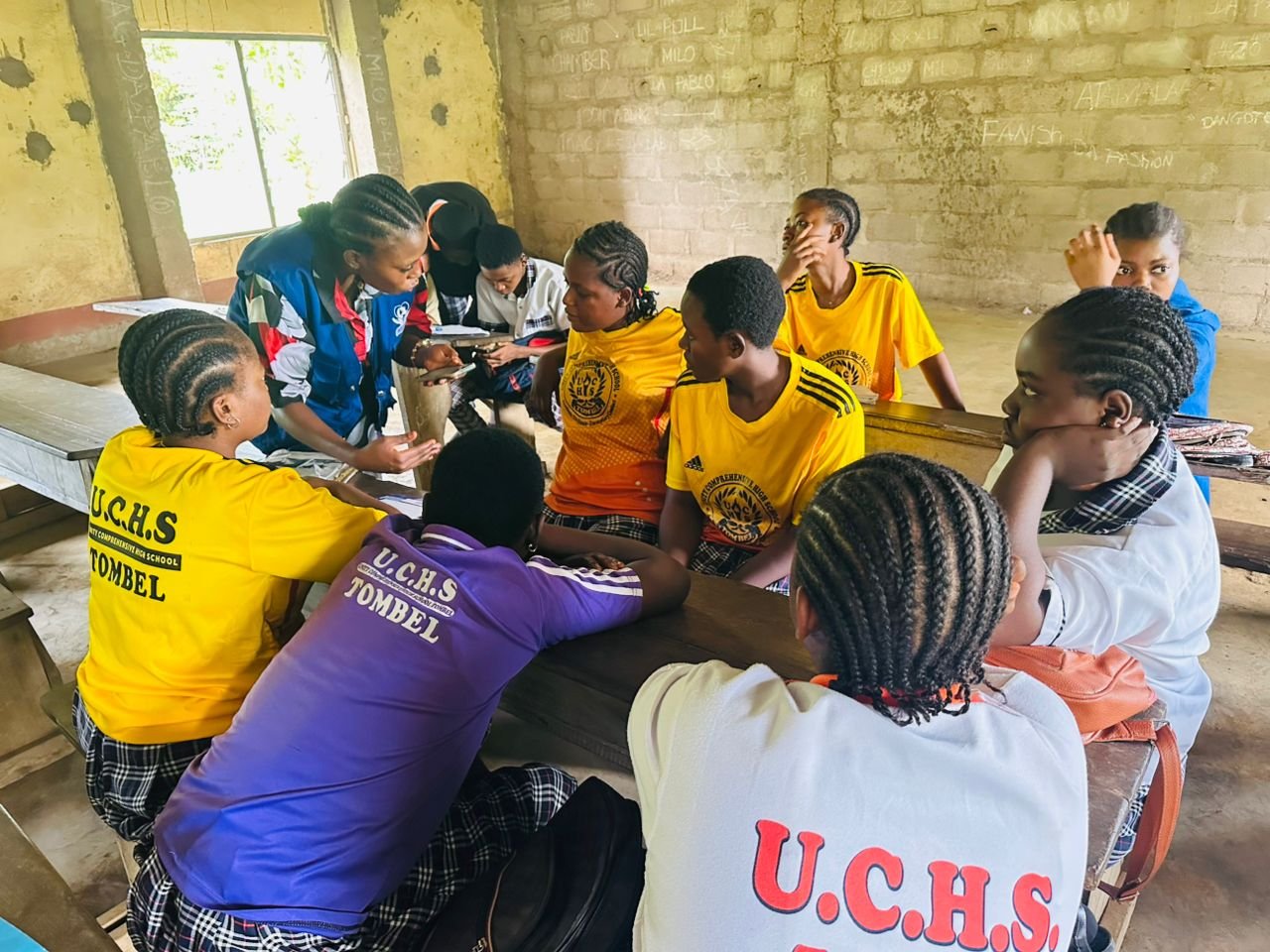
When water is not available in schools, the burden falls heavily on households, and especially on girls. Many are forced to spend school hours fetching water, contributing directly to absenteeism and increased dropout risk.
This challenge is more severe in rural and crisis-affected regions, where infrastructure is weaker and access gaps are wider. In these contexts, safe water access can be up to 38% lower than in urban areas, deepening inequality for already vulnerable children.
Beyond access, safety is also a concern. Long journeys to collect water expose girls to protection risks, including harassment and violence. At the same time, inadequate school sanitation and limited menstrual hygiene facilities further limit consistent attendance and participation.
These challenges are reinforced by weak maintenance systems and limited funding for school water infrastructure, making even existing facilities unreliable over time. Climate pressures are further worsening water scarcity, placing additional strain on already fragile systems.
The result is clear: when schools lack safe water and sanitation, girls are the first to lose access to education. This is the gap we are addressing.
💧 OUR SOLUTION
Hope Spring For All Nations addresses the water–education gap by delivering school-based safe water systems and strengthening the local structures that sustain them over time.
Our model is simple, practical, and designed for long-term use in resource-limited and rural contexts. It works as one integrated system to improve access, health, and school retention for girls.
Deliver Safe Water Access in Schools: We install or rehabilitate water systems directly within schools so children have reliable access to safe drinking water during the school day. This reduces time away from class and ensures girls are not forced to leave school to fetch water.
Improve Hygiene and Menstrual Health in Schools: We support schools with simple hygiene practices such as handwashing and safe sanitation. We also promote menstrual health awareness and access, helping girls attend school consistently and with dignity.
Strengthen Safe Water Practices at Household Level: We support students and families with basic water treatment and safe storage practices to reduce waterborne illness and reinforce safe water use beyond the school environment.
Ensure Long-Term System Functionality Through Community Stewardship:
We work with school leadership, parents, and local stakeholders to maintain water systems over time. This includes shared responsibility structures that ensure repairs, monitoring, and continuity of service without dependence on external support.</p
This model is already in use several across communities.
CHILDREN AND FAMILIES SUPPORTED IN 2025-2026
*Facts and figures based on 2025 data*
OVER +7K CHILDREN SUPPORTED IN THE PREVIOUS YEARS SINCE 2019
📊 OUR IMPACT
1. Improved Access to Safe Water in Schools: We have supported schools to gain or improve access to safe water systems, reducing the need for children to leave school during learning hours to search for water. This directly improves classroom time and reduces one of the key drivers of absenteeism.
2. Increased Ability for Girls to Stay in School: By reducing the time burden of water collection and improving school WASH conditions, more girls are able to remain in school consistently. This addresses one of the most documented indirect causes of dropout in rural and underserved communities.
3. Improved Hygiene and Health Awareness: Through school and household engagement, students and families are increasingly adopting safer water handling and hygiene practices, contributing to reduced risk of waterborne illness and improved school attendance stability.
4. Strengthened Community Responsibility for School Water Systems: Schools and surrounding communities are increasingly involved in maintaining and protecting water systems, improving system reliability and reducing breakdown-related disruptions. This supports long-term functionality beyond installation.
5. Reaching Vulnerable Children at Scale: In 2024 alone, Hope Spring For All Nations reached over 2,500 vulnerable individuals, including school-aged children and girls most affected by water and education barriers.
This demonstrates growing reach across underserved communities and reinforces the scalability of our model. And this is only the beginning.
FOUNDING STORY
No girl should have to leave school because of something as basic as water.
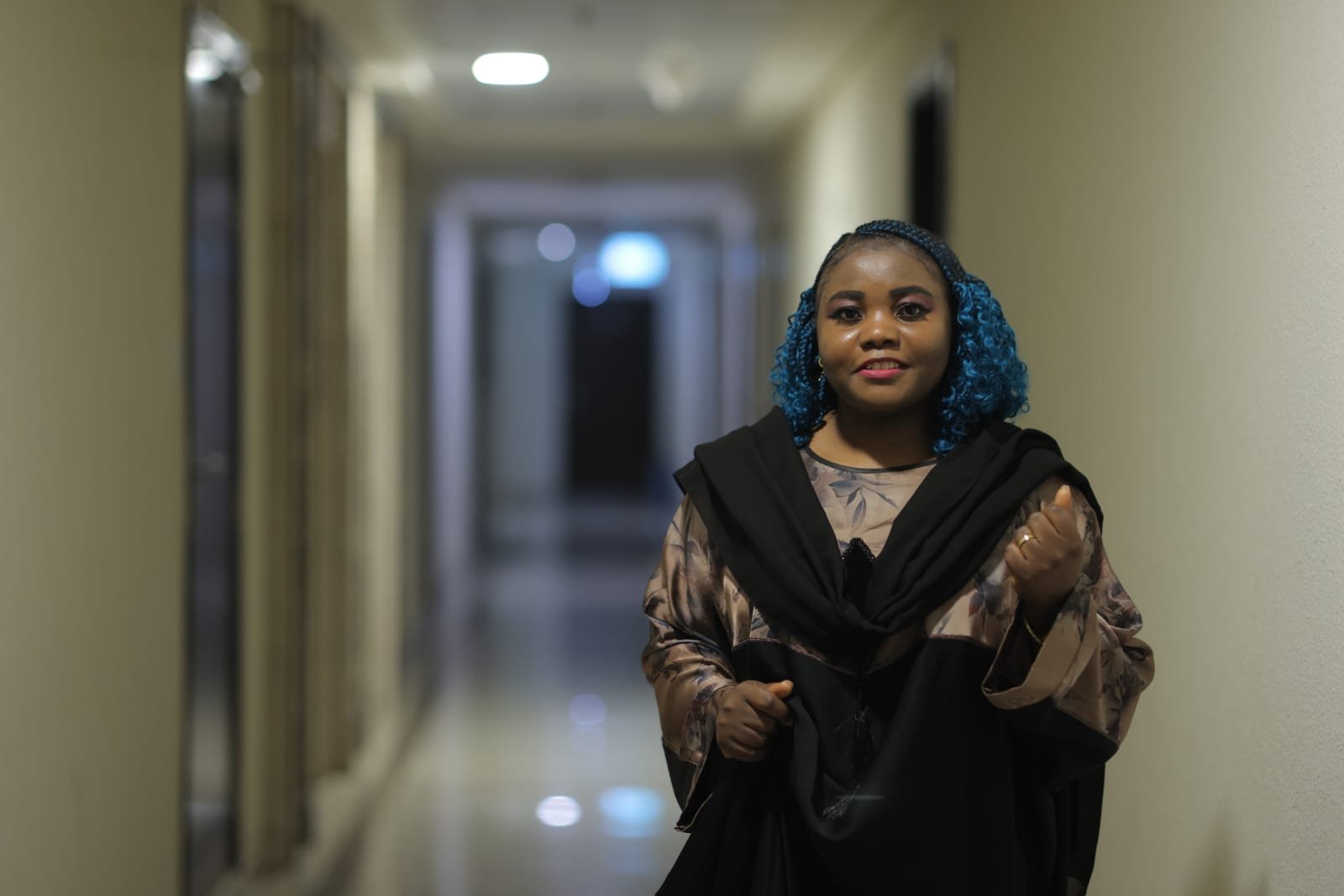
This belief is at the heart of Hope Spring For All Nations, and it begins with the story of Janet Sama Mesang.
Janet grew up in a context where hardship was not abstract. Both of her parents were orphaned at a very young age, shaping her early understanding of vulnerability, resilience, and survival in underserved communities.
From childhood, she was drawn to those most affected by poverty. She shared food with other children, supported elderly community members in fetching water, and witnessed firsthand how basic needs determined daily life outcomes.
As she grew older, one pattern became increasingly clear,
girls were consistently dropping out of school.
Not due to lack of ability or ambition, but due to structural barriers that are widely documented in many rural and low-resource settings, including limited access to safe water, household poverty, and inadequate school support systems.
In many communities, girls spend significant time walking long distances to fetch water during school hours. This time burden, combined with household responsibilities and lack of learning materials, reduces attendance and increases dropout risk. Inadequate access to clean water in or near schools further compounds absenteeism and affects overall learning conditions.
This reflects a broader reality recognized in global WASH and education research: when water access is insecure, girls are disproportionately affected in their school participation and retention.
For Janet, this was not simply inequality, it was a predictable and preventable loss of human potential occurring repeatedly at community level.
She realized that without targeted intervention, many of these girls would remain trapped in intergenerational cycles of poverty, where education becomes inaccessible not by choice, but by circumstance.
This understanding became her turning point.
With the support of her husband, she founded Hope Spring For All Nations, not as a traditional charity, but as a school-centered intervention model designed to remove structural barriers to education.
The organization operates on a simple but evidence-aligned theory of change:
If clean water is made reliably accessible within or near schools, then time poverty is reduced, school attendance improves, and girls are more likely to remain in education.
To achieve this, the organization focuses on three integrated interventions:
School-based clean water access systems (reducing distance and time burden on learners).
Provision of essential learning materials (reducing economic barriers to attendance).
Community engagement mechanisms (supporting sustainability and local ownership of school retention efforts)
Together, these interventions address both the immediate and structural causes of school dropout among vulnerable children, with a particular focus on girls.
In 2024 alone, Hope Spring For All Nations reached over 2,500 vulnerable individuals, including girls who are now able to remain in school due to improved access to essential resources and reduced time burden.
While this progress is significant, the need remains urgent. Across many underserved communities, preventable barriers continue to limit educational continuity for girls.
This is where the model becomes critical.
Because when a girl stays in school, the impact extends beyond the individual, it influences household stability, strengthens community development outcomes, and contributes to long-term generational change.
Hope Spring For All Nations exists to make girls’ education not conditional on circumstance, but sustained by systems that work.
CALL TO ACTION
Help a girl stay in school.
Your support helps bring safe water into schools and keeps girls learning instead of walking long distances for water.